
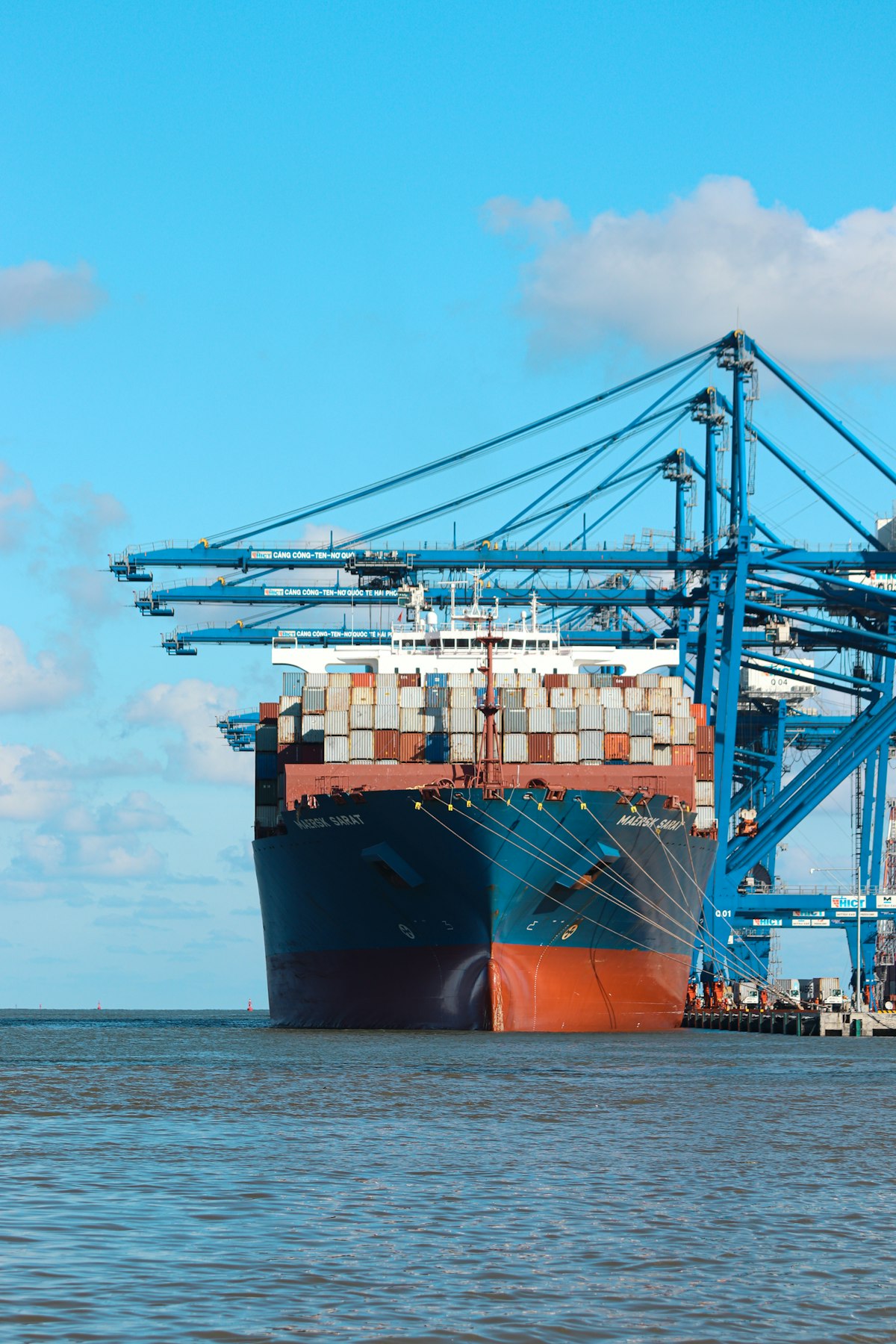
Ocean freight rates and transit times have both grown more volatile over the past few years, pushing more brands to build buffer time and secondary routing options directly into their planning rather than treating logistics as a fixed cost.
We've seen the most resilient brands shift toward a mix of consolidated and direct shipping depending on order size, paired with real-time shipment tracking so a delay at one port doesn't become a surprise at the warehouse. The goal isn't to eliminate disruption — that's not realistic — it's to know about it early enough to act.